
Tips for New Pickleball Players: A Beginner Guide to Improving Your Game
If you’re new to the sport, these pickleball tips for beginners will help you build confidence, understand pickleball basics, and develop strong habits from the start. Whether you’re learning how to play, working on your pickleball fundamentals, or simply looking to improve, these simple strategies will help you progress quickly and enjoy the game even more.
Beginner Pickleball Tips: Foundations for New Players
1. Listen and learn – If someone suggests you’ve violated a rule, accept the feedback—it helps you learn the right way to play and improves your understanding of pickleball basics.
2. Keep serves simple – Avoid trying to serve too hard or too close to the sidelines. Focus on consistency over power—an essential pickleball beginner tip.
3. Return serves deep – Aim for a deep, lofted return so you have time to reach the non-volley line and set up for the next shot.
4. Respect the double-bounce rule – Both the serve and the return must bounce before you hit the ball. Stay near or behind the baseline so you’re ready for the third shot.
5. Prioritize getting to the non-volley line – The NVZ is the strongest position in pickleball strategy for beginners. Move up as soon as you can.
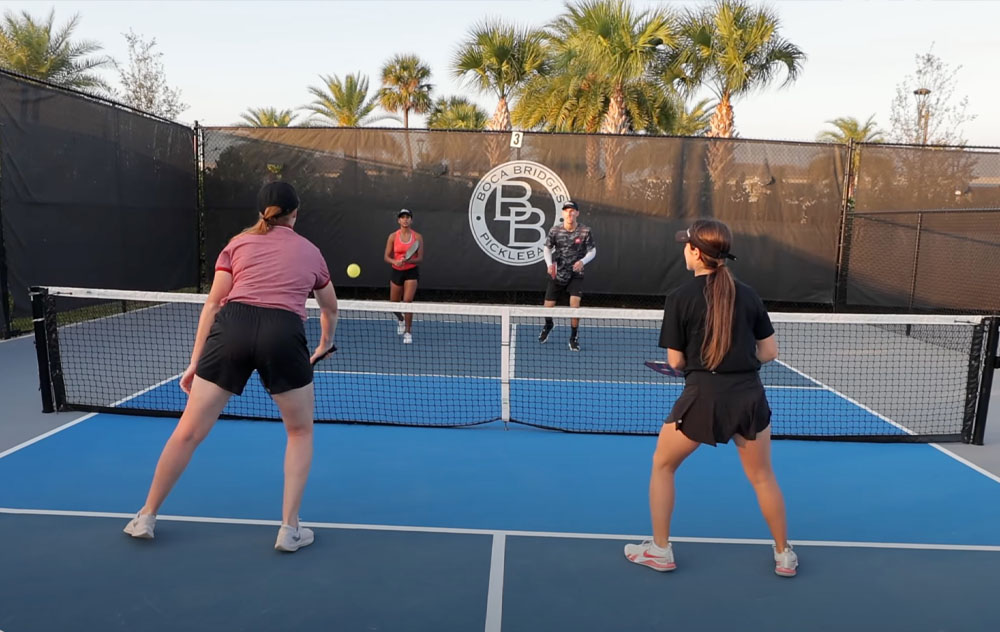
6. Face the hitter, not the net – Positioning your body toward the player hitting the ball helps you react faster and maintain control.
7. Keep your paddle high – Holding your paddle near your chest improves reaction time and supports better defensive play.
8. Keep the ball in play – Let your opponents make the unforced errors—75% of rallies end this way. Consistency beats power for new pickleball players.
9. Aim for the center – Returning to the middle of the court reduces your risk and keeps opponents guessing.
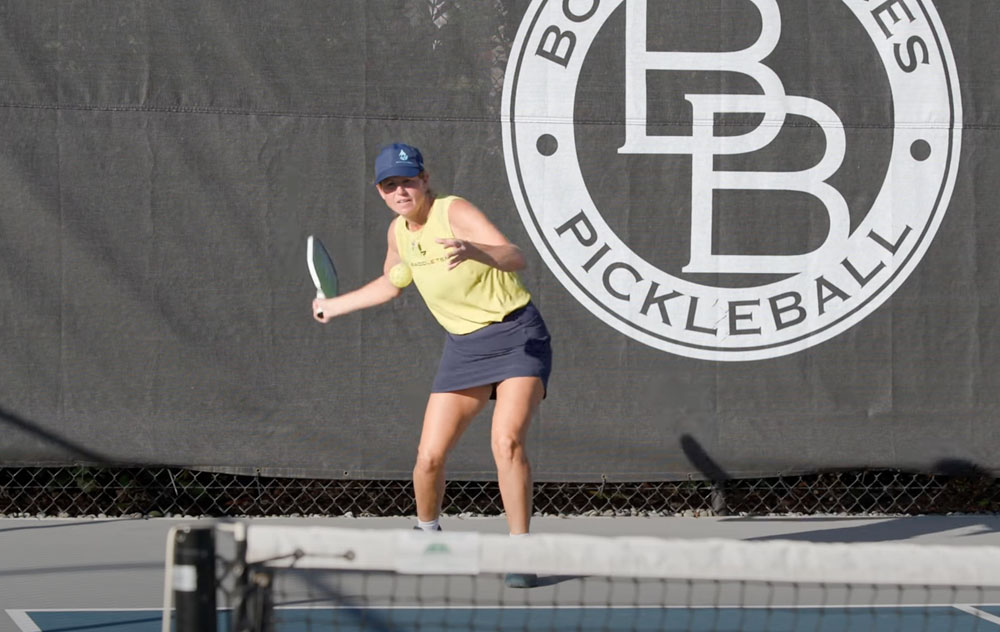
10. Use your forehand – A strong forehand helps with power and accuracy, but a reliable backhand is key to becoming a more complete player.
11. Focus on placement, not power – Smart placement wins rallies. Aim for open areas rather than risky sideline shots.
12. Identify right and left-handed opponents – Avoid hitting to their strong side and target their weaker zones when possible.
13. Work with your partner – Don’t crowd or take unnecessary shots. If your partner is pulled wide, shift toward the centerline to cover the middle.
Evaluating & Improving Your Game: Pickleball Fundamentals for Beginners
1. Master the dink – Learn to dink consistently, both cross-court and straight. This is a core pickleball fundamental and essential for long rallies.
2. Know when to hit soft or hard – Control comes first. Understanding shot selection separates beginners from experienced players.
3. Don’t force kill shots – Only go for a put-away when it’s clearly available. Otherwise, stay consistent.
4. Watch your opponent’s paddle – Their paddle angle gives you clues about direction and speed—one of the best pickleball strategy tips for beginners.
5. Target feet and backhands – Low shots at the feet or to a weak backhand force defensive returns.
6. Develop a reliable drop shot – A soft drop from the baseline is crucial when opponents are at the non-volley line.
Avoid using it when they’re already back, keep them deep.
7. Practice uncomfortable shots – Have friends hit shots you struggle with so you can improve your weaknesses—and then use those same shots against opponents.
8. Look for patterns – Pay attention to habits, “tells,” and tendencies in your opponents’ game. These insights can give you a strategic edge.
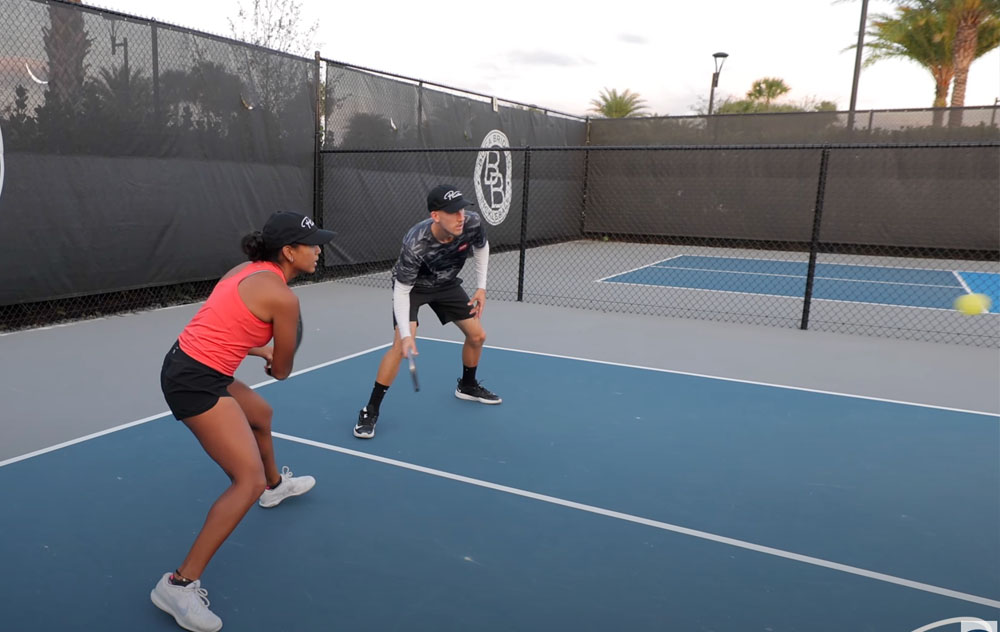
9. Stop moving before you hit – Be still, balanced, and in a ready position as your opponent contacts the ball. Better balance equals better control.